Van Gogh’s Late Paintings Offer Little Evidence of Impaired Color Vision
Blue, white and green recur across Van Gogh’s late work, complicating claims that a visual disorder explains his palette.
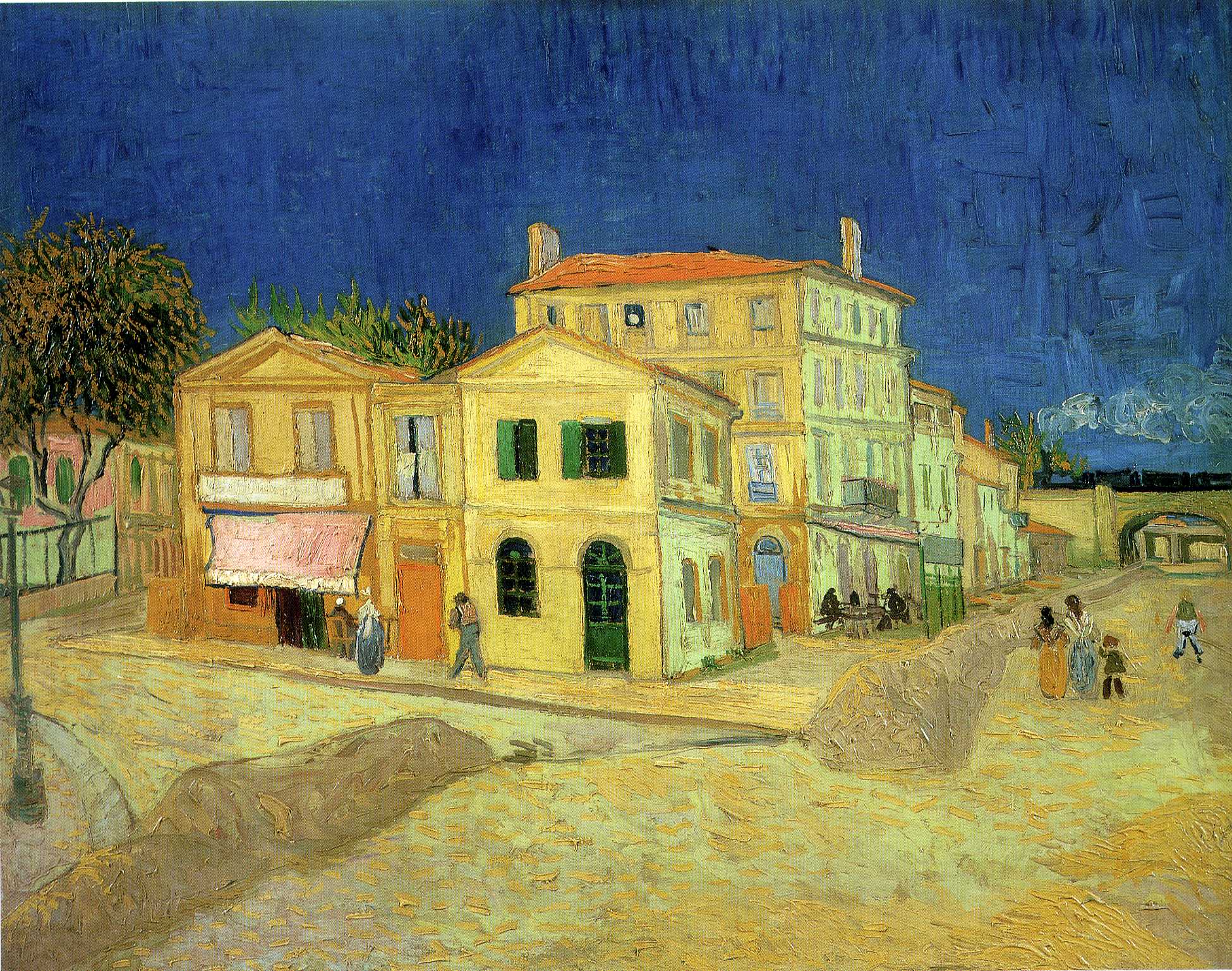
Van Gogh’s vivid palette is often treated as a clue to a visual disorder. But the paintings themselves complicate that story: across works from 1888 to 1890, blues remain distinct, whites appear without a yellow cast, and greens vary alongside other colors. The evidence presented here supports a simpler reading: his palette reflects artistic choices, while the proposed vision problems remain unsubstantiated.
What the visual-disorder claims rest on
Three explanations recur in discussions of Van Gogh’s color: that he had xanthopsia, a condition that can make vision seem yellow; that digitalis toxicity caused such a change; or that absinthe or paint pigments produced other visual disturbances. These theories try to connect the appearance of his paintings to changes in how he saw.
The documentary evidence described for his time in hospital near Arles and his contact with Dr. Gachet does not support those explanations. Gachet assessed Van Gogh’s visual acuity as excellent. The case for impaired color perception therefore rests chiefly on the paintings from the last few years of his life.
That makes the paintings worth examining closely. If Van Gogh had consistently seen whites as yellow and blues as greenish, those effects might be expected to appear in his work. Yet a selection spanning several years shows clear blues, pale and pure whites, and color combinations that don’t fit neatly with a persistent yellow tint.
Blue and yellow in Arles
Several paintings from 1888 put blue in the foreground of the argument. The Blue Train (Viaduct in Arles) uses rich blues, while its yellows lean toward ochre. Les Alyscamps, Avenue in Arles, painted alongside Paul Gauguin, also contains abundant blue. So does The Langlois Bridge at Arles with Women Washing.

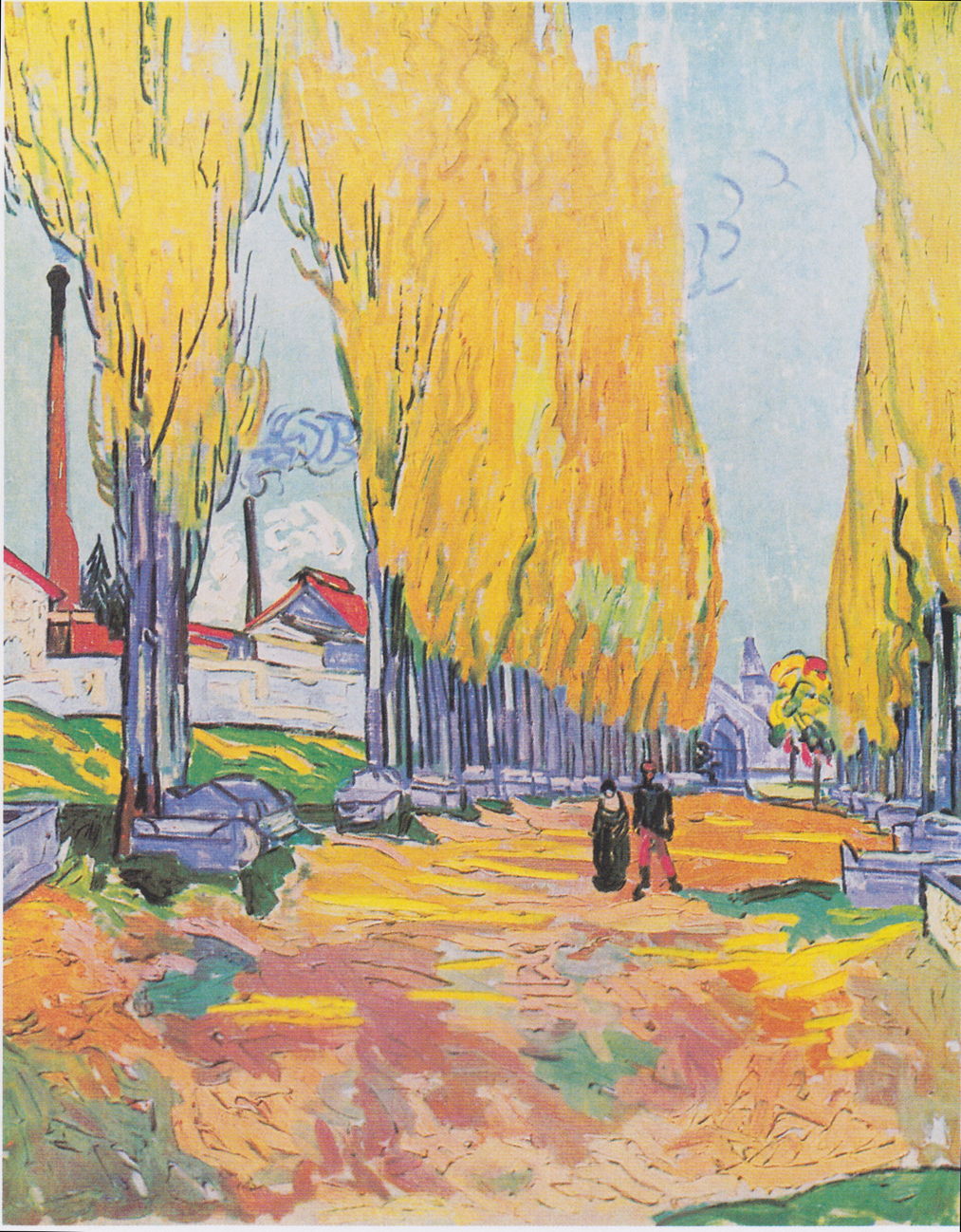

Starry Night over the Rhône is an even clearer example: blue dominates the scene. These works don’t prove what Van Gogh saw, since a painting can’t serve as a direct medical record. But they do make the claim of a consistent yellow shift harder to square with the visible range of his colors.

Yellow is prominent too, but its presence doesn’t make the whole body of work evidence of xanthopsia. The third version of Still Life: Vase with Twelve Sunflowers has a pale blue-green background; the fourth version, Still Life: Vase with 15 Sunflowers, is overwhelmingly yellow. In Van Gogh’s Chair, pale blue outlines remain visible. Vincent’s House in Arles (The Yellow House) sets striking yellow against deep blue, with relatively little green.


A varied palette through 1890
The range continues in 1889. Still Life of Oranges and Lemons with Blue Gloves, from January, pairs oranges and yellows with dark blue gloves. In Cypresses, rich yellows and greens meet a sky shifting from pale blue to pale pink, with strokes of pure white.


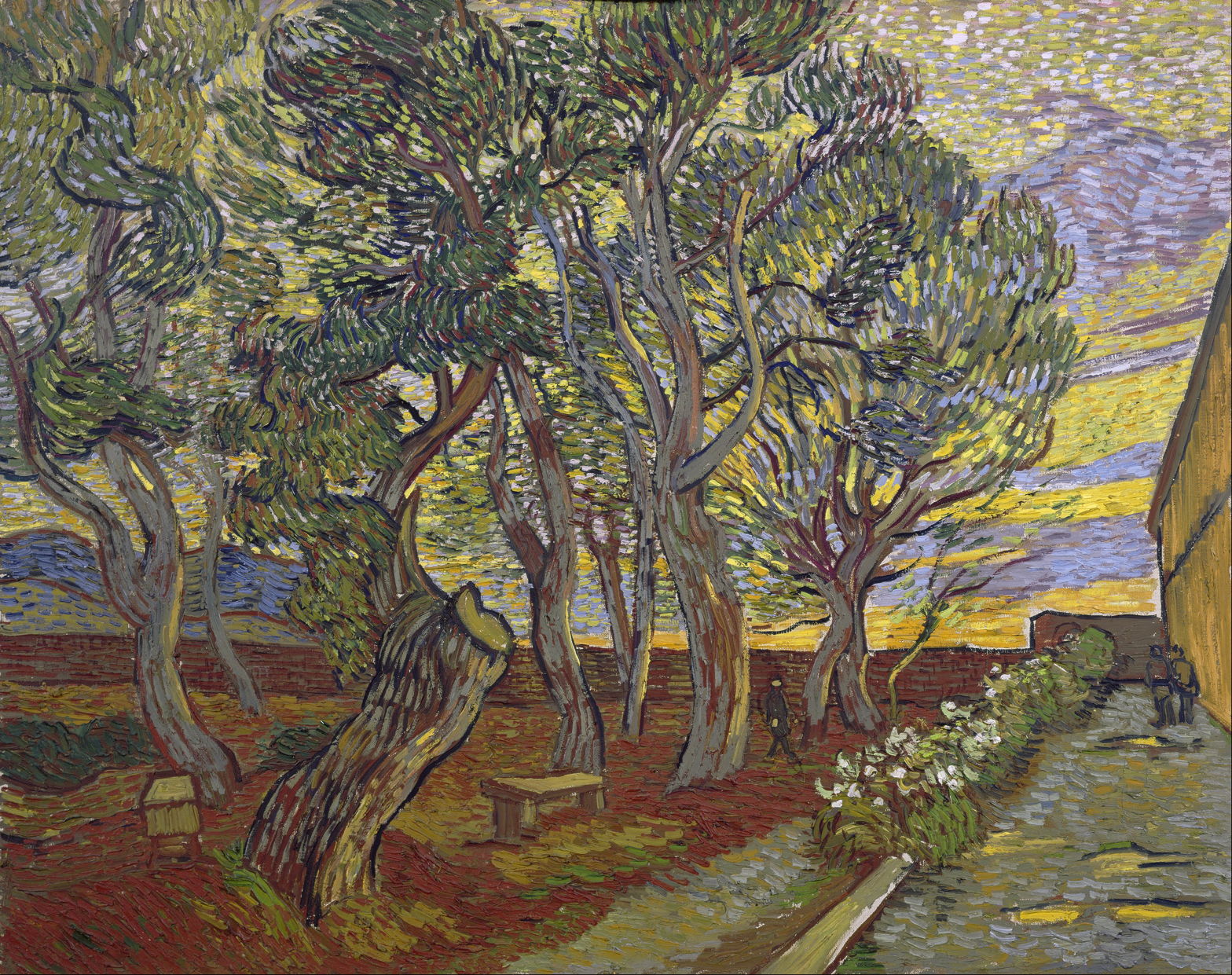
Both versions of Wheat Field with Cypresses mix yellow and green with blue hills in the distance; the Metropolitan Museum version also has red poppies in the foreground. Olive Grove, from July, combines blue, yellow and green in the trunks and branches. At the Garden of Saint Paul’s Hospital, red-browns and white flowers appear beneath a sky that alternates between blue and yellow. Dormitory in the Hospital in Arles gives more weight to yellow and green.



In 1890, Irises sets deep blues and greens against yellow. Road with Cypress and Star, painted about two months before Van Gogh’s death, ranges across many colors and includes broad areas of blue and pure white. Rain – Auvers, made only a few days before his death, uses blues that lean toward lavender rather than green.

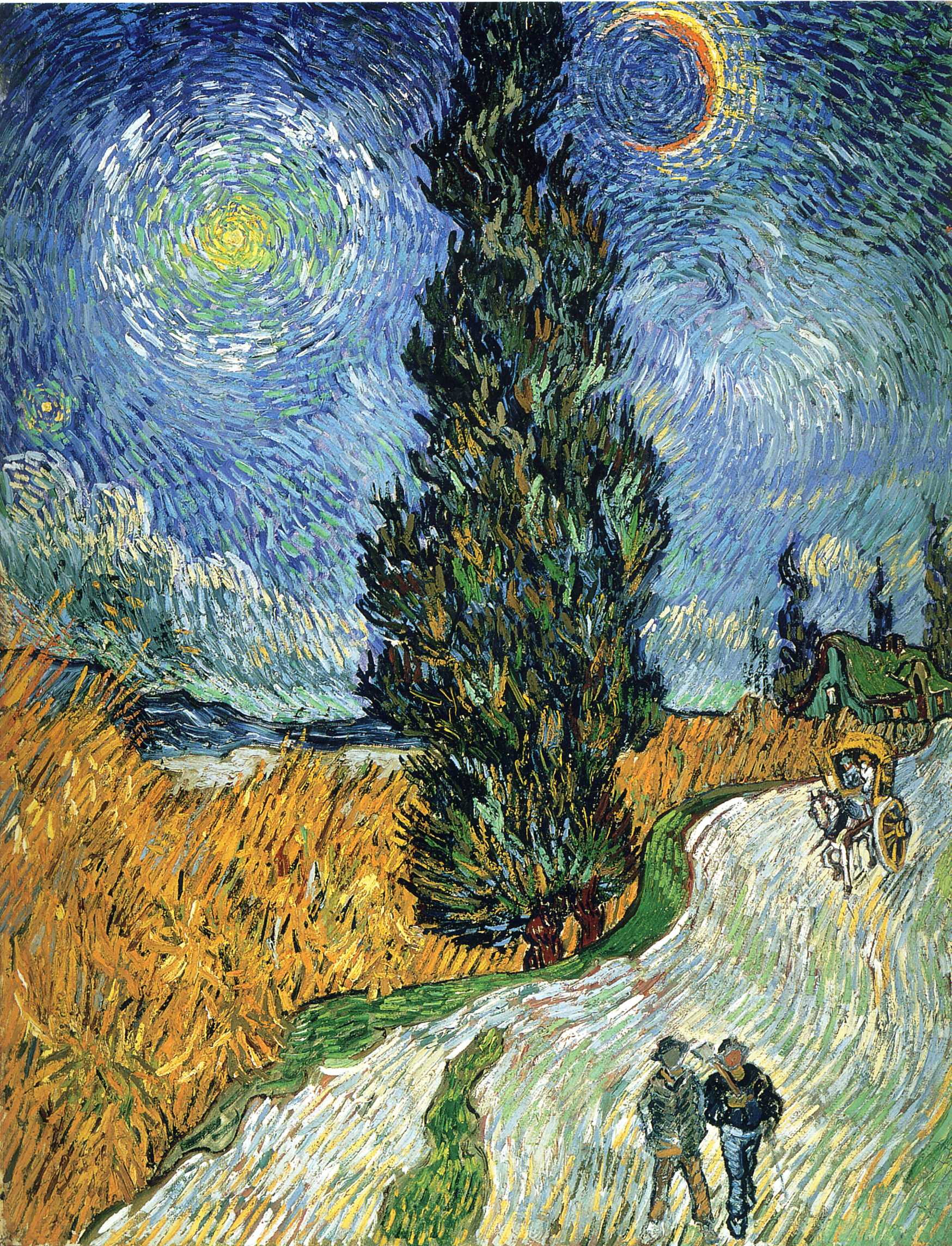

No group of paintings can settle a medical question on its own. Still, the variety across these works gives little visual support to a persistent disturbance of color perception, and the reported assessment of Van Gogh’s acuity points in the same direction. My read is that the more useful explanation for this palette is Van Gogh’s command of color as a painter. The question worth keeping open is how far the surviving documentary record can take us; the paintings alone don’t justify turning artistic choices into symptoms.
Reference: Michael F. Marmor and James G. Ravin, The Artist’s Eyes: Vision and the History of Art (2009), Abrams. ISBN 978 0 8109 4849 5.