Netflix AI Discover Brings Mood-Based Recommendations to TV
Netflix is testing a TV feature that combines mood themes and viewer feedback to shape recommendations. It’s available to a limited US group.

Netflix’s AI Discover gives TV viewers a new way to steer recommendations: start with a mood or theme, then tell the service which titles to show more or less often. The feature’s practical promise is less time scanning rows of suggestions and more control over what fills them. Whether it does both well will depend on how accurately its recommendations respond to those signals.
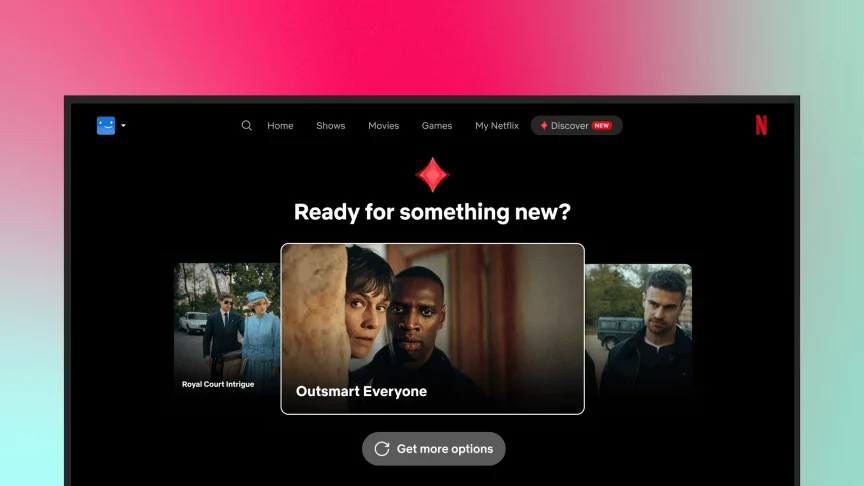
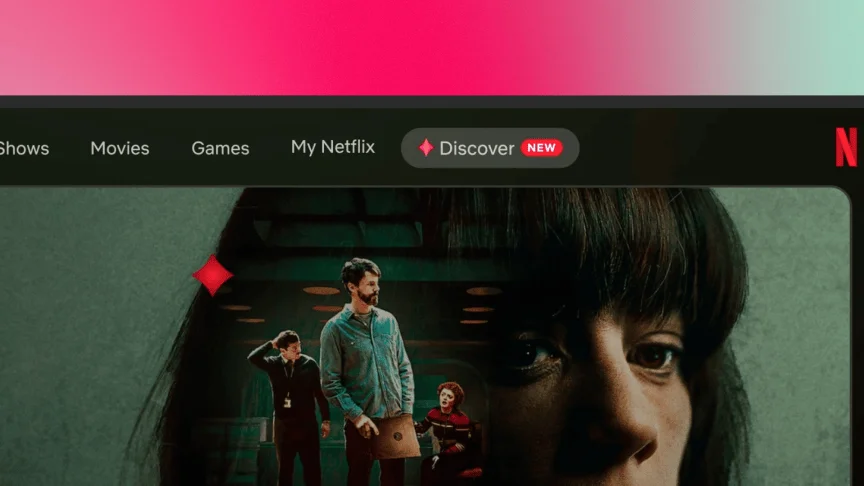
Netflix is testing the feature with a limited group of customers in the US. The company has said it plans to make it available to more viewers in the coming weeks, but access during this phase is assigned to a test group rather than opened through a general opt-in. People with access can skip using it. On their TV app, a red “Discover” icon marked as new appears at the top of the screen.

Start with a mood, then narrow the results
AI Discover is built around an interactive tab in the TV app. Its first experience, available at launch, asks viewers to choose a mood. “Scare Me” is one example: select it, and Netflix surfaces movies and shows connected to that theme. Other options shown in a preview included “Solo Movie Night” and swoon-worthy love stories.

Choosing a theme opens a page of recommendations on the home screen. Titles can appear with artwork, a trailer or a description, giving viewers a few ways to judge a suggestion before they start watching. The preview showed a mix of Netflix originals and licensed titles, rather than a page limited to one type of catalog content.

Under the recommendations, smaller category buttons let viewers refine the selection further. Examples included offbeat stories and workplace comedies. Netflix described these subcategories as a combination of the chosen theme, the viewer’s preferences and what its system predicts they may want to see next. The company hasn’t explained how it weighs those inputs or how quickly the results change after a viewer makes a choice.

 Netflix
Feedback is part of the recommendation loop
When a title misses the mark, “Tune Your Recommendations” offers a way to respond. Viewers can ask Netflix to keep suggesting similar titles or stop showing that title as a recommendation. Choosing not to recommend it brings up a follow-up question: has the viewer already watched it, or are they simply not interested?

That distinction could help the system interpret a skipped recommendation more precisely. A title someone has already seen may still signal a taste the service should use when finding other options; a title they dislike could point in a different direction. The preview described these responses as inputs that help personalize future suggestions, though it didn’t establish how much one response changes the recommendations.
That feedback mechanism is the feature’s most concrete form of user control. Traditional browsing often leaves viewers to scroll past unwanted titles without explaining why. Here, Netflix is giving them a direct way to label a recommendation as useful or irrelevant. The trade-off is that the experience asks people to provide feedback before they can expect the system to learn from it.
A new TV interface alongside earlier AI search work
Netflix executives discussed plans for AI-assisted recommendations on the company’s first-quarter earnings call. AI Discover now brings that idea into a TV interface organized around themes and follow-up suggestions. The company has not said how the TV feature’s recommendation logic differs from the one used elsewhere in its app.
Netflix has also explored AI for search on mobile. In May 2025, it announced beta testing for AI-powered search, where viewers could enter conversational requests. One example was a search for something scary but funny, with the app returning titles that viewers could play from the screen.
Those approaches address related problems through different interactions. Conversational search lets someone describe a specific combination of qualities; AI Discover begins with a curated mood or theme, then offers narrower categories and title-level feedback. For TV viewers who don’t want to type a detailed request, that guided path may be easier to use. It also means the value depends on whether the initial themes feel relevant and whether the follow-up choices make browsing faster.
What the test needs to prove
The current preview shows how AI Discover is meant to work, but it doesn’t provide performance figures or evidence that viewers find better titles faster. It also leaves open how the system handles shifting tastes, how often its themes and subcategories change, and whether feedback affects recommendations beyond the new tab. Those details will matter to people who want their preferences to carry across the whole service.
For now, AI Discover is a test of a more hands-on recommendation flow: choose a mood, explore a narrower set of titles, and correct the system when it gets a suggestion wrong. Netflix’s broader rollout should show whether that extra layer of control makes finding something to watch feel more direct.