Apple’s Memory Shortage Could Keep iPhone, iPad and Mac Costs High Into 2027
Apple reported record revenue, but memory constraints could limit device supply and keep prices elevated as the company expands its cloud AI plans.

Apple’s latest results show the tension shaping its next year: demand for its devices remains strong, while scarce memory and storage components are making it harder to meet that demand. CEO John Ternus says supply constraints could persist into 2027, leaving open the possibility of further price increases for iPhones, iPads and Macs.

On his first earnings call as CEO, Ternus reported that revenue rose 12% year over year in the final quarter of fiscal 2026. Apple recorded $418 billion in revenue for the full fiscal year, which Ternus described as its “best fiscal year ever.” Those results came as the company faced what it called unprecedented supply chain constraints and higher memory costs.
The near-term pressure is most visible in hardware availability. Apple’s chief technology officer, Sadih Khan, said access to memory and storage is increasingly limiting the supply of iPhones, iPads and Macs. Apple has previously drawn on stocked components to soften shortages, then raised prices on Macs and iPads in June and iPhones in September. The company didn’t say whether more increases are planned. With little sign of relief in component supply, though, customers may face higher prices again next year.

The iPhone remains Apple’s biggest business
Despite supply limits, iPhone revenue reached a quarterly record of $57.6 billion. That makes the phone the largest contributor to Apple’s business by a wide margin. Ternus called it an “intelligent personal hub,” a description that reflects how Apple connects its hardware, software and services around the device.
Sales got a lift from the iPhone 18 Pro and Pro Max, which introduced a variable aperture camera, and from early buyers of the company’s first foldable, the iPhone Duo. Preorders for the Duo sold out within minutes last month, and expected delivery waits extended into January 2027. The shortage is therefore playing out alongside demand for a new form factor that could bring fresh buyers into Apple’s device lineup.


John Ternus led his first earnings call as Apple's new CEO this week.
Adam Gray/Bloomberg via Getty Images
Questions remain about the Duo’s durability: reports have described cracked screens on some early units, but Apple executives didn’t address them on the call. The standard iPhone 18 also went unmentioned, despite the launch of the Pro models. Apple has sometimes staggered releases, although it usually introduces standard and Pro phones together. That leaves the timing of the less expensive model unclear.

AI demand puts more pressure on Mac supply
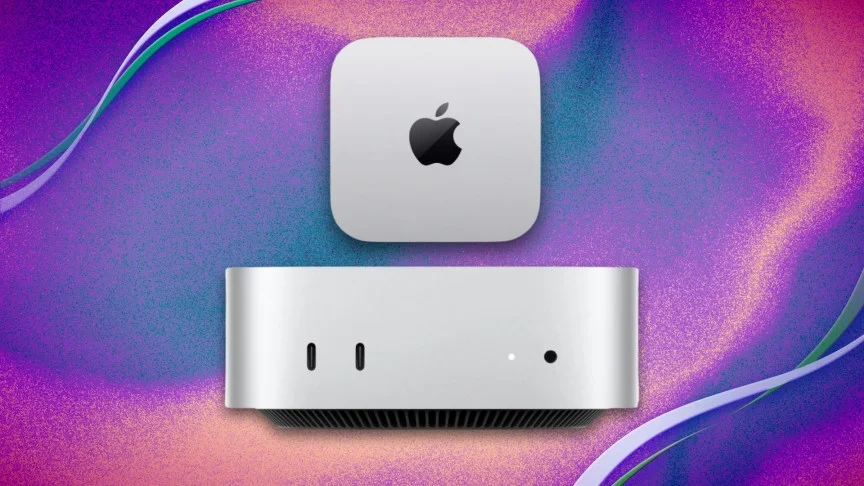
Apple’s Mac Mini and Mac Studio face a particular squeeze. AI data centers are competing for the same components, while developers and home AI enthusiasts are buying these desktops to run local agents such as OpenClaw. That puts Apple between two sources of demand: large-scale computing operations and customers building AI setups at home.
The component crunch could also influence where Apple runs its own AI features. Siri AI is currently in beta and centers on request-based tasks, such as setting a reminder or sending an email. Apple executives said the system relies heavily on processing on the device, which keeps those tasks close to the user’s hardware.

Ternus sees room to add more capable features over time. More demanding tasks could move to Apple’s servers, using cloud computing power rather than relying only on a phone or computer’s processor and memory. That approach could give Apple room to charge for higher-capacity AI features through iCloud or iCloud Plus. It could also shift some computing demand from customers’ devices to Apple’s own infrastructure.
Services offer a second growth path
Services and subscriptions generated $31.6 billion last quarter, making them Apple’s second-largest revenue category. The group includes iCloud storage, Apple TV, Apple Music, Apple Pay and a new Maps ads program. Ternus pointed to room for further growth in both services and AI, including bundles that add Apple TV and Apple Arcade to iCloud Plus plans. He said those bundles open potential subscriber markets in more than 100 countries.
That business matters as Apple looks beyond device sales. A paid tier for more capable Siri and Apple Intelligence features could increase subscription revenue, while cloud processing could make those features available even when a user’s device has limited computing capacity. The company hasn’t laid out pricing or a launch plan for such a tier, so the details remain open.

For now, Apple’s numbers underline how much its business still depends on hardware: the iPhone remains its largest revenue engine, while services provide a growing second stream. Memory shortages could constrain both the devices customers can buy and the computing resources Apple needs for more advanced AI. The practical questions to watch are whether supply improves, whether Apple raises prices again, and how much of its future AI offering moves from local devices into paid cloud services.