Raspberry Pi’s 10.1-Inch Touch Display 2 Joins New Sensors and SMD Headers
This week’s additions pair a portrait Raspberry Pi touchscreen with a photoacoustic CO₂ sensor and compact headers; two magnetic sensor products also get price cuts.

A larger Raspberry Pi touchscreen, a compact CO₂ sensor and two surface-mount header options are among SparkFun’s latest catalog additions. The mix is useful for engineers assembling interactive Raspberry Pi projects or adding sensing to a prototype, though the practical fit depends on interface, mounting and power requirements. SparkFun also reduced prices on three magnetic sensing products, including an 8×8 imaging tile.

A portrait display for direct interaction
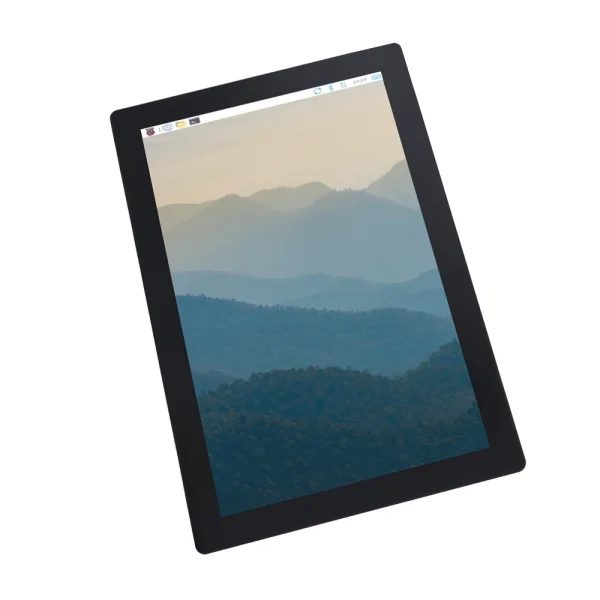
The new Raspberry Pi Touch Display 2, 10.1-inch Portrait, is listed at $96.95. Its 1200 × 1920 resolution and ten-point capacitive touch support put it in the category of displays meant to serve as an application’s main control surface, rather than simply show status information. DSI provides the connection to the Raspberry Pi, and the host supplies display power, so the setup doesn’t call for a separate display power supply.
That arrangement makes the display a candidate for a dedicated interface: users can interact with on-screen controls without attaching a keyboard or mouse. The portrait format also shapes the interface work. Applications need layouts designed for a tall screen, and teams should check that their chosen Raspberry Pi software and enclosure accommodate the display’s orientation and connection. The listing gives the resolution, touch capability and interface, but doesn’t specify compatibility details for every board or application.
SparkFun also lists 5-inch and 7-inch Touch Display 2 versions. Those smaller options give builders a way to weigh screen area against the physical space available. The key choice is not just size: a larger interactive surface can make controls easier to use, while a smaller panel may be simpler to fit into a compact device.
Photoacoustic sensing for CO₂ projects
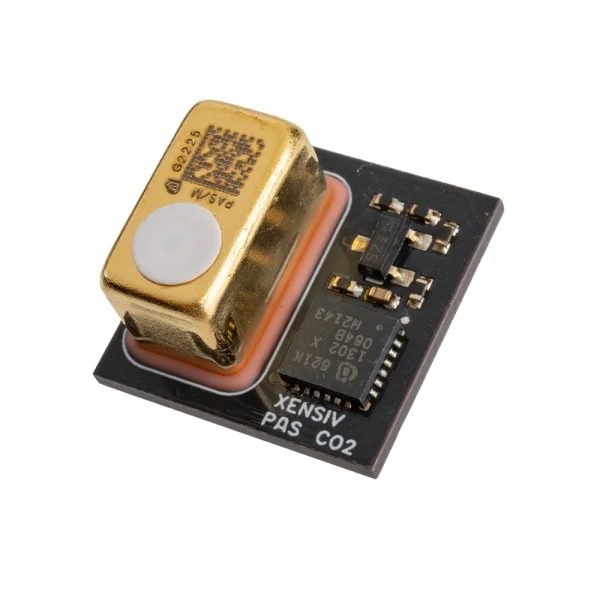
The XENSIV™ PAS CO₂ sensor, priced at $30, uses photoacoustic spectroscopy. Inside its cavity, CO₂ molecules absorb infrared light, producing small pressure changes that an acoustic detector senses. The product combines that approach with Infineon MEMS microphones, according to the listing. That mechanism gives the sensor a different design emphasis from a setup that detects gas by measuring infrared light directly.
For project teams, the sensing method is only part of the integration decision. They’ll also need to account for the sensor’s electrical interface, software support and placement in the device; those details aren’t included in the supplied product description. SparkFun’s overview, “Carbon Dioxide Sensing: PAS vs NDIR vs TVOC,” offers further context on the named sensing approaches. The useful next step is to compare the sensor’s documentation with the project’s measurement and integration needs.
Two 2×20 surface-mount header options
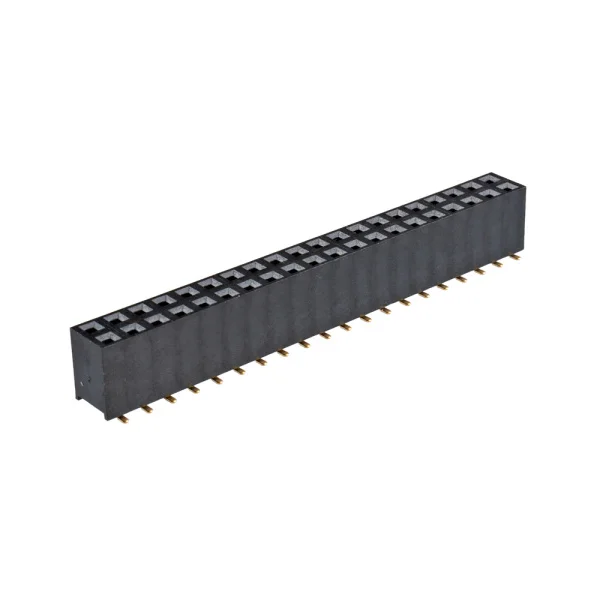
The new female and male 2×20 headers each cost $4.95 and use 0.1-inch pin spacing. They’re surface-mount parts for board designs where through-hole pins aren’t suitable. The female listing describes a straight header; the male listing describes a right-angle header, so the two parts don’t necessarily create identical board layouts.
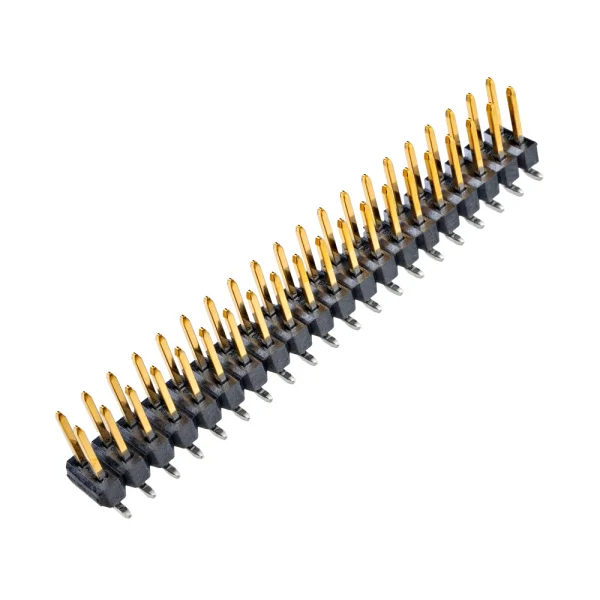
The 2×20 format provides a compact way to bring a two-row connection pattern onto a custom board. SparkFun says these are the same headers it has used on its Raspberry Pi boards. Before choosing one for a design, confirm the orientation, mating part and mechanical clearance against the target board. Surface mounting can suit layouts that avoid through-hole assembly, but it also makes footprint accuracy and soldering access part of the design work.
Lower prices on magnetic sensing
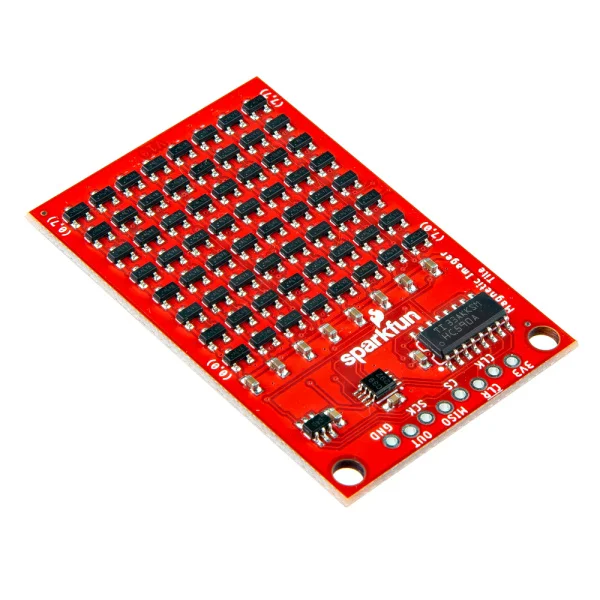
The SparkFun Magnetic Imaging Tile now costs $89.95, down from $199.95. Its 8×8 grid contains 64 Hall-effect sensors and produces a live visual representation of nearby magnetic fields. SparkFun identifies an optimal imaging range of 1 to 2 cm from the tile’s surface. That makes it suited to close inspection of sources such as magnets, current-carrying wires and electric motors; it’s not presented as a tool for mapping fields at a distance.
The tile’s visual output can help make field patterns easier to inspect than a single point measurement. Its short working range also defines the setup: the source and sensor need to be positioned close together, and the tile needs to fit the area being examined. The price change lowers the cost of trying that approach, though the listing doesn’t provide a new performance comparison or explain the reason for the reduction.
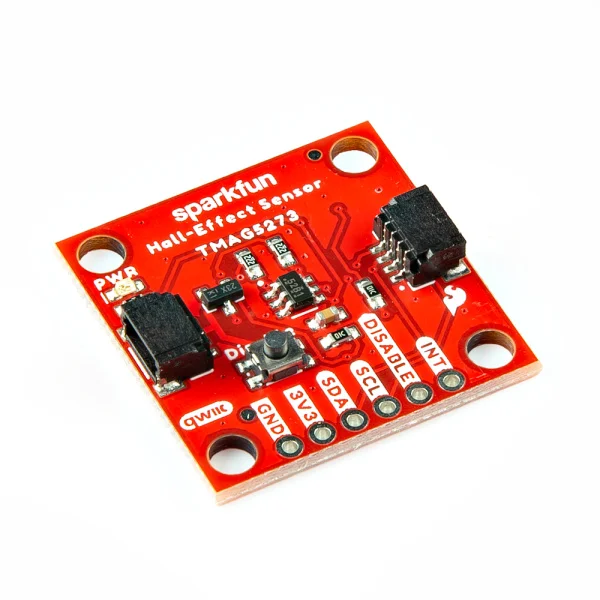
SparkFun also cut the price of its standard TMAG5273 Qwiic Linear 3D Hall-Effect Sensor from $7.50 to $4.95. The mini version is now $5.50, down from $7.90.
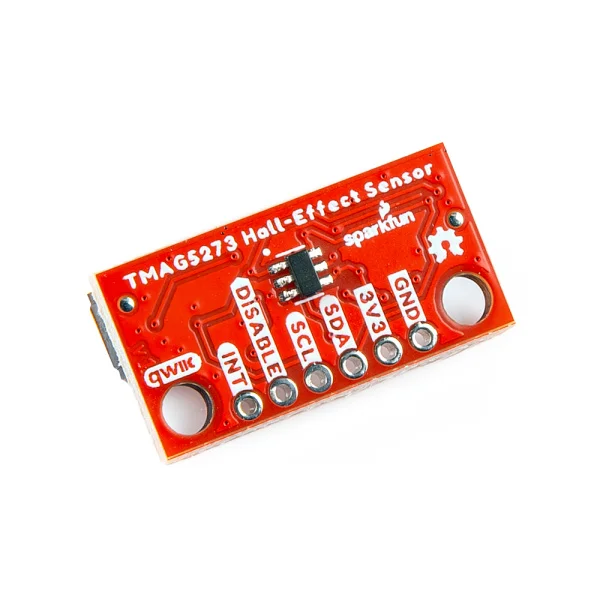
Both boards use Texas Instruments’ TMAG5273 to measure magnetic fields in three dimensions, with selectable ranges of ±40 mT or ±80 mT. The listed power figures are 2.3 mA in active mode and 1 µA in sleep mode. Those modes give designers a way to trade continuous sensing against lower draw between measurements; actual project power use will depend on how the sensor is configured and operated. SparkFun names proximity detection, door and window sensing, and rotor control as possible applications.
What the additions mean for a build
Together, the new listings cover three different stages of prototyping: a touch interface, gas sensing and board-level connections. The price cuts, meanwhile, reduce the listed cost of experimenting with magnetic-field imaging or 3D magnetic measurements. The most useful comparison for a build is still the one between each part’s interface and physical requirements and the project’s own constraints. Check product documentation for setup details before committing to a board layout or enclosure.
SparkFun’s WVR Audio Development Board is also marked 20% off as the week’s deal. For product updates, the company links to X, Instagram, Facebook and LinkedIn. Reader comments and a comment feed are available on the original post.