Samsung’s Galaxy Z Fold 8 Ad Targets Apple’s First Foldable Phone
Samsung’s ad turns Apple’s late entry into foldables into a comparison of hardware and software maturity. The Z Fold 8’s practical edge remains to be seen.
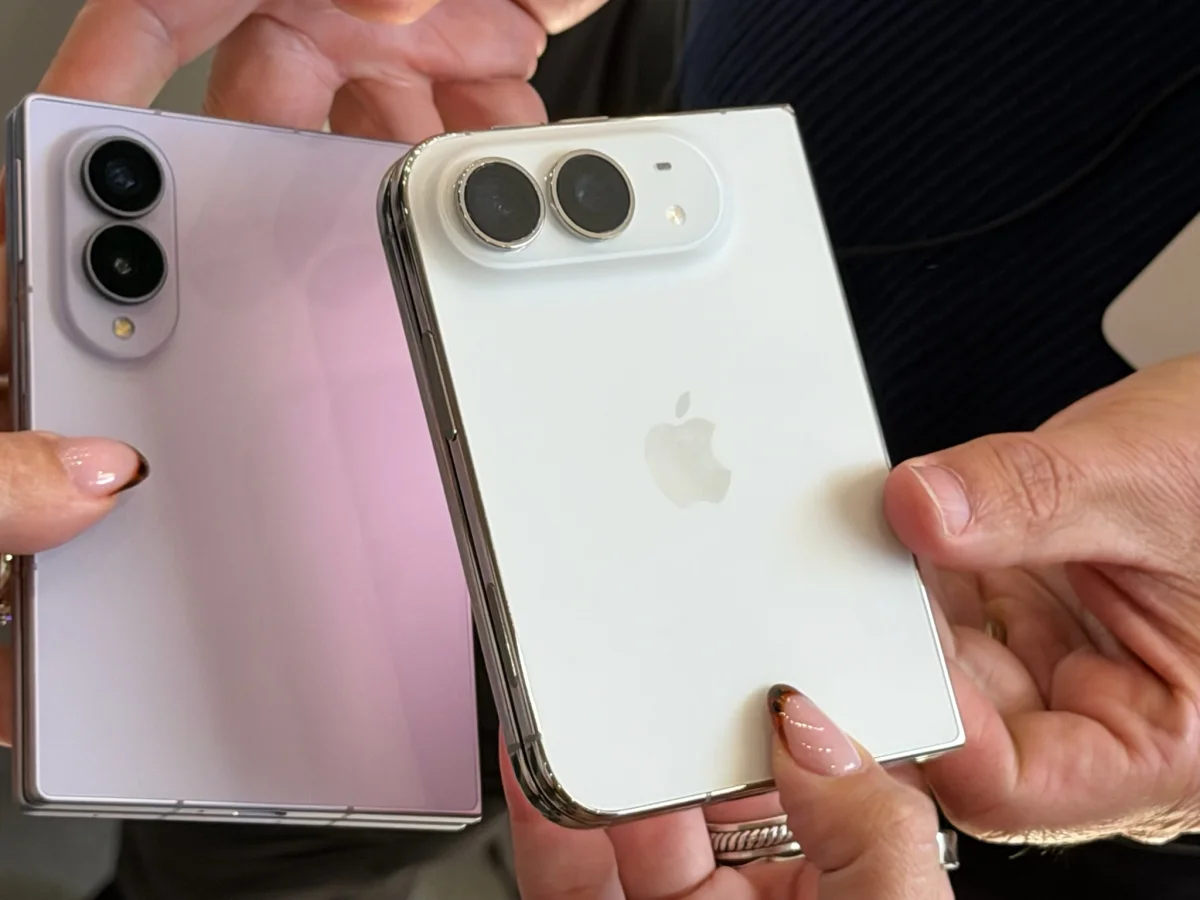
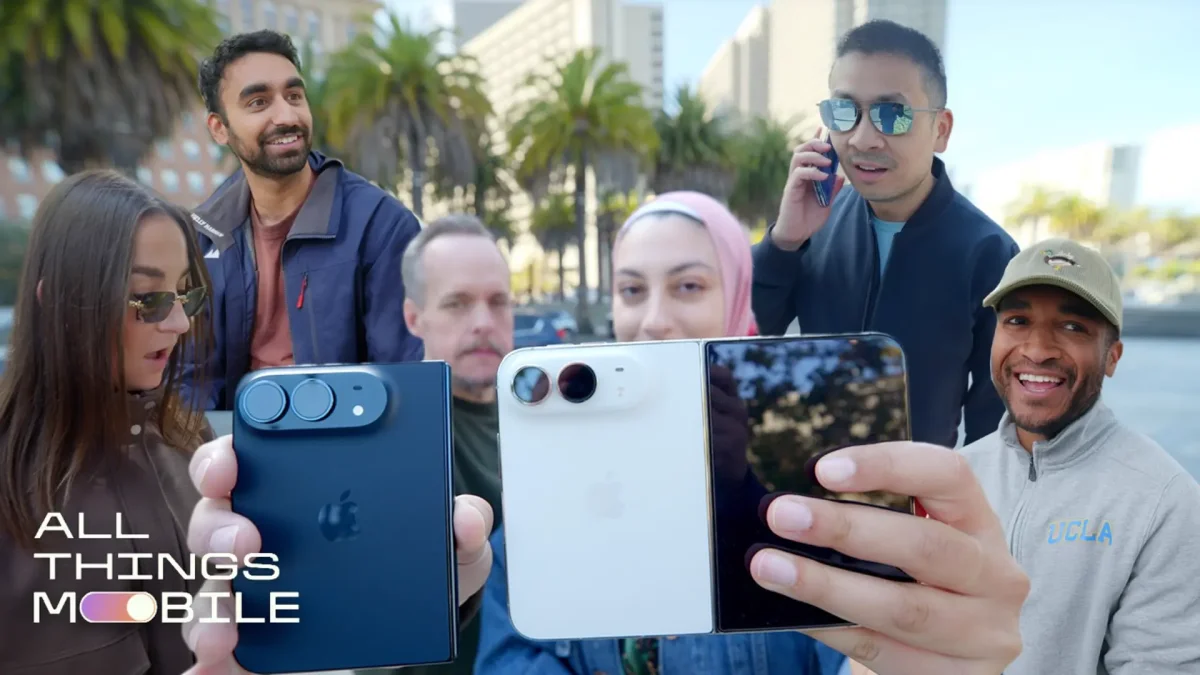
Samsung’s new Galaxy Z Fold 8 ad makes the timing of Apple’s first foldable phone part of the product comparison. The spot is a jab at Apple’s late arrival, but it also points to a more practical question for buyers: how much does several years of foldable experience matter when the hardware looks similar?

The Instagram video, called “Slice,” opens with an apple being chopped into pieces. One slice then rolls past a lineup of Galaxy Z Fold phones, from Samsung’s first model in 2019 to the Z Fold 8, which arrived in 2026. The fruit makes the company’s target clear without spelling it out: Apple is only now entering a category Samsung has been building products for over multiple generations.
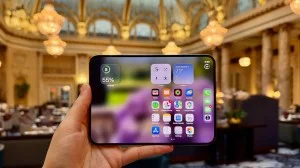
That history matters most in the software. The $1,900 Galaxy Z Fold 8 runs Samsung’s One UI 9.0, which has had years of foldable releases to develop features for the smaller outer display and larger inner screen. The $1,999 iPhone Duo runs iOS 27, but third-party apps and services are still being adjusted for its different screen sizes, according to CNET reviewer Abrar Al-Heeti’s review.
View this post on Instagram
For people who use a foldable as both a phone and a small-screen workspace, that software gap could shape daily experience more than a spec-sheet comparison. A larger display only helps when apps make sensible use of it: layouts need to adapt, controls must remain accessible, and switching between folded and open modes should feel predictable. Samsung’s longer runway gives it an advantage in accumulated refinements, though it doesn’t establish that every app works better on its device.

The two phones share a passport-style folded shape, but Samsung says its Z Fold 8 is thinner and lighter. The company attributes that design to Flex Titanium display technology and a higher-capacity silicon-carbon battery. Those are Samsung’s claims in the ad; the source doesn’t provide measurements or independent comparisons to show how large the difference is. For buyers, the useful questions are whether the lighter build is noticeable in a pocket or hand, and whether the battery technology delivers meaningful endurance in everyday use.
Price adds another part to the comparison. Samsung’s phone costs $1,900, while Apple’s is listed at $1,999. A hundred dollars can matter in a premium purchase, but the figures alone don’t settle value: buyers also need to weigh software fit, display behavior, battery life and the apps they depend on. The ad is designed to make Samsung’s time in the category feel like an advantage; hands-on use is what will show whether that experience translates into a better fit.
Experience is an advantage, not a guarantee
Apple has entered phone features after Android competitors before, then improved its position over time. The iPhone 8 added wireless charging in 2017, years after Android phones had offered it. Apple later helped develop the Qi2 wireless charging standard, which brings faster charging and magnetic alignment, and CNET’s lab testing named the iPhone 17 Pro its fastest phone for wireless charging last spring.
That history offers a useful frame for the foldable rivalry. Being first can give Samsung time to refine hinge and screen designs, build foldable-specific software, and help developers account for changing display dimensions. Apple’s later start leaves it with less experience in this form factor, while giving the company a chance to bring its own software and hardware decisions to a category already familiar to its competitors. The source doesn’t show how quickly Apple or app makers will close the current optimization gap.
Samsung’s ad is therefore strongest as a reminder of the gap in experience and as a nudge toward comparing the phones in person. Its claims about thinness and weight are concrete points to check, while the more consequential test will be whether apps and features behave well across both screens. As Apple establishes its first foldable, Samsung—and other established foldable makers such as Google and Motorola—has reason to keep making that comparison part of the conversation.