Swift Observatory Reentry Ends a 22-Year Gamma-Ray Science Mission
Swift is expected to reenter on Nov. 4 after 22 years in orbit, leaving a large archive of observations and a small chance of debris reaching the ground.
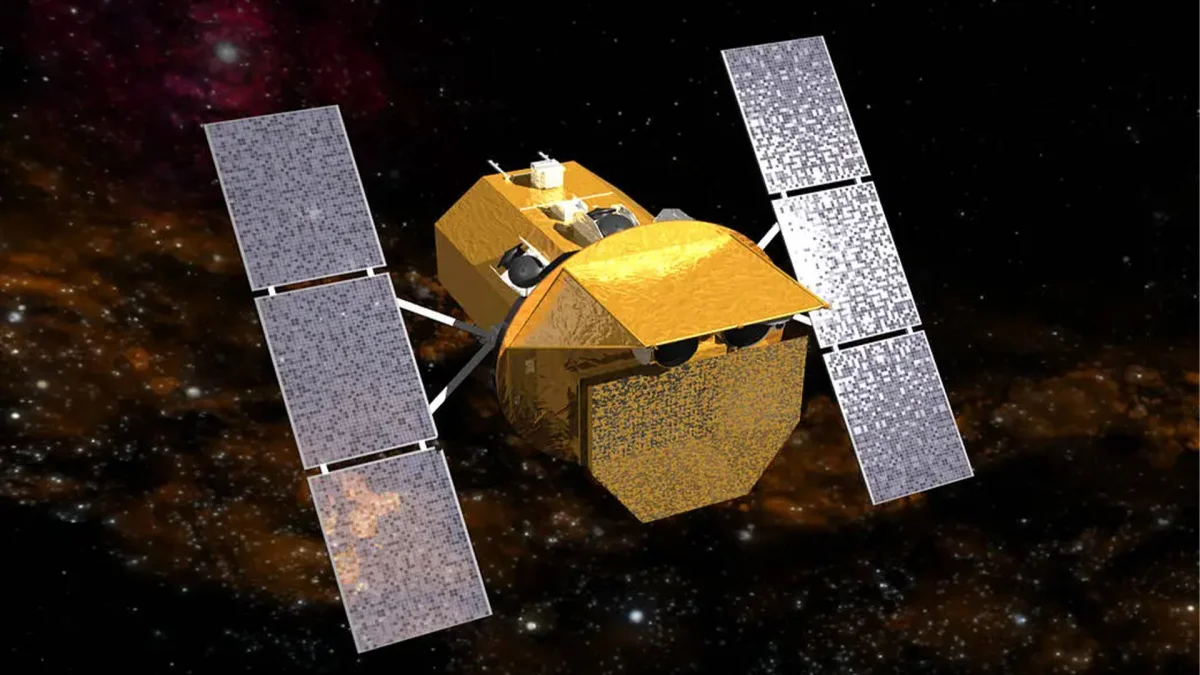
Swift’s final chapter is a reminder that a space telescope’s value can outlast its planned mission by decades. The Neil Gehrels Swift Observatory is expected to reenter Earth’s atmosphere on Nov. 4, after nearly 22 years in orbit and a long run of observations that shaped the study of gamma-ray bursts.

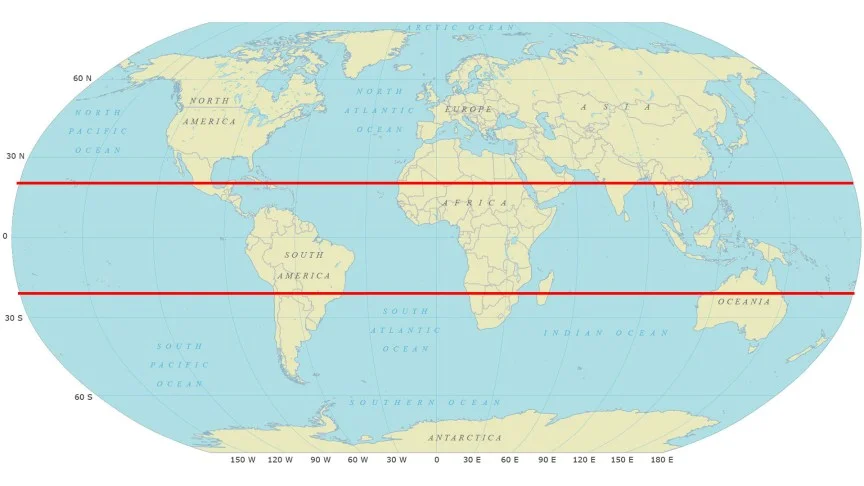
NASA expects the observatory to reach the atmosphere at about 3:30 a.m. ET, but gives an 11-hour window for the event. The timing matters because it determines where any surviving pieces could come down. Most of the spacecraft is expected to burn up during reentry; NASA says the fragments that may reach Earth would fall within a band from 20.6 degrees south latitude to 20.6 degrees north.

That band wraps around the planet near the equator. It describes the possible latitude range, not a specific landing point: the location also depends on when Swift reenters. NASA estimates the chance of harm to anyone on Earth at about 1 in 2,100 and says it will continue tracking the event with Space Force.

Why Swift mattered to astronomers
Swift was built to catch gamma-ray bursts quickly, identify where they came from and turn its instruments toward the source for closer study. These brief, powerful events can mark phenomena including the birth of black holes. Swift’s rapid response also let researchers examine newly discovered objects minutes after their light reached Earth, according to John Nousek, the mission’s operations director and a professor of astronomy and astrophysics at Penn State.

The observatory’s design linked detection to follow-up. Once Swift found a burst, it could locate the source and gather additional observations, giving researchers data to analyze on Earth. That speed made the telescope useful beyond a catalog of bursts: it offered a way to study transient events while they were still unfolding.

NASA says Swift observed more than 2,000 gamma-ray bursts, captured 1.5 million images with its ultraviolet/optical telescope and returned 12 terabytes of data. Researchers have used that archive in an estimated 7,000 papers. Those figures point to a long-lived scientific asset: data gathered during the mission can continue supporting work after the spacecraft is gone.

Swift also made its data available promptly and gave more than 1,000 guest investigators opportunities to use the observatory, Nousek said. He hopes the mission helped set a standard for time-domain astrophysics, the study of how astronomical objects change over time. For teams planning future observatories, Swift’s record offers a practical example of how quick response, shared access and a durable archive can extend a mission’s reach.

From shutdown to reentry
The observatory was launched on Nov. 20, 2004, with a planned primary mission of two years. Its work continued far beyond that original period. On Jan. 10, 2018, it was renamed the Neil Gehrels Swift Observatory in honor of astrophysicist Neil Gehrels, who led NASA’s Astroparticle Physics Laboratory from 1995 until his death in 2017. Swift had previously been known as the Swift Gamma-Ray Burst Explorer.

NASA ended operations in late October after Swift made its final observation on Oct. 20. At that point, it was about 171 miles above Earth. Increasing atmospheric drag had made further science work impossible, leaving reentry as the next stage of the mission.
There was an attempt to extend Swift’s time in orbit. NASA tried to arrange a boost over the summer of 2026, but engineering and control problems led to the effort being abandoned. The instruments were restarted on Aug. 28, and the observatory continued collecting data for as long as its low orbit allowed. It was a narrow recovery window, and the spacecraft’s declining altitude ultimately set the limit.
For the team that operated it, the end is also personal. Nousek described the shutdown as a sad moment after two decades spent managing Swift’s science operations, health and safety, and responding to anomalies at all hours. That long operational commitment helped turn a short planned mission into a sustained research platform.
Swift’s reentry will close the spacecraft’s working life, but not the scientific one. Its archive and the research built on it remain the clearest measure of what the mission delivered; the immediate question is where and when its last fragments return.